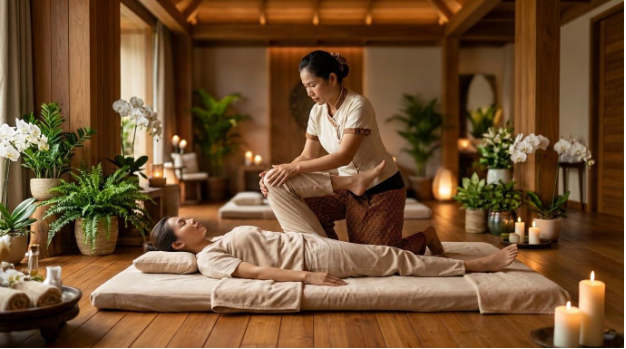
Maintaining physical comfort and mental relaxation is important in a busy lifestyle, especially when long working hours, daily responsibilities, and limited movement contribute to muscle tension. Massage therapies offer an opportunity to relax, improve body awareness, and take time away from everyday stress. Among the various wellness practices available, special thai massage is valued for its combination of assisted stretching, rhythmic pressure, and traditional techniques designed to support relaxation and flexibility. It offers a different experience from conventional massages because the practitioner may guide the body through gentle movements while applying pressure to selected areas.
What Makes Thai Massage Different?
Thai massage combines several techniques rather than relying exclusively on long, gliding strokes. Practitioners use their hands, thumbs, palms, elbows, and sometimes other parts of the body to apply controlled pressure. Assisted stretches are also included to encourage comfortable movement and release feelings of stiffness.
The main features generally include:
- Rhythmic pressure: Controlled pressure is applied to selected muscle areas according to individual comfort.
- Assisted stretching: Practitioners guide the body through gentle stretches that may support flexibility.
- Movement and positioning: Different positions help address various areas of the body during a session.
- Relaxation techniques: A calm environment and steady movements encourage a peaceful experience.
- Individual attention: Pressure and stretching can be adjusted according to comfort, preferences, and physical limitations.
These elements create a treatment that focuses on both relaxation and movement. The experience may differ depending on the practitioner’s training, the session duration, and the client’s requirements.
Potential Benefits for Everyday Wellness
Many people choose massage as part of a regular wellness routine. Thai massage may help some individuals feel more relaxed and comfortable, particularly when they experience mild muscular tightness associated with everyday activities. However, individual responses vary, and massage should not be considered a substitute for medical assessment or treatment.
1. Supporting Flexibility
Assisted stretching is an important part of traditional Thai massage. Gentle movements can help individuals explore their comfortable range of motion and may temporarily improve flexibility. People who spend long periods sitting at desks may appreciate the opportunity to move areas that remain relatively inactive throughout the day.
2. Easing Everyday Muscle Tension
Prolonged sitting, repetitive movements, and demanding physical activities can contribute to muscular tightness. A carefully performed massage may help reduce the feeling of tension and encourage relaxation. Practitioners should adjust pressure to prevent unnecessary discomfort.
3. Encouraging Mental Relaxation
Taking time away from screens, deadlines, and daily responsibilities can support emotional well-being. A quiet setting, attentive service, and comfortable treatment pace may help clients unwind. Massage can form one part of a broader routine that includes sufficient sleep, regular movement, and stress management.
4. Improving Body Awareness
During a session, clients may become more aware of areas that feel stiff or restricted. This awareness can encourage healthier movement habits, regular stretching, and breaks from prolonged sitting. Persistent pain or restricted movement should still be discussed with a qualified healthcare professional.
How to Prepare for a Comfortable Session
A little preparation can make the experience more comfortable and help the practitioner understand individual needs. Sharing relevant information beforehand also allows the session to be adjusted appropriately.
Consider these simple steps before an appointment:
- Wear comfortable clothing: Choose loose garments that allow stretching and movement without restriction.
- Discuss your preferences: Explain whether you prefer gentle pressure or have specific areas of tension.
- Mention physical limitations: Inform the practitioner about injuries, medical conditions, recent procedures, or movements that cause discomfort.
- Avoid heavy meals immediately beforehand: Allow enough time after eating to feel comfortable while changing positions.
- Stay hydrated: Drink water according to your usual needs before and after the appointment.
- Communicate throughout: Tell the practitioner if any movement, pressure, or position feels uncomfortable.
Clients should never feel obliged to tolerate pain during a massage. Clear communication helps maintain comfort and ensures the practitioner can modify techniques when necessary.
What to Expect During the Treatment
A session generally begins with a short conversation about preferences, comfort levels, and relevant health concerns. The practitioner may then explain the process and help the client settle into a suitable position. During special thai massage, the practitioner typically combines rhythmic pressure with assisted stretches and carefully guided movements. Depending on the service, attention may be given to the back, shoulders, legs, arms, and other areas. The sequence and intensity vary between practitioners and individual treatment plans.
Some movements may feel unfamiliar, particularly for people receiving Thai massage for the first time. Clients can request gentler techniques, ask questions, or pause the session whenever necessary. A professional practitioner should respect these requests and avoid forcing joints or pushing the body beyond a comfortable range.
Choosing a Professional Spa
Selecting a suitable spa is an important part of enjoying a positive massage experience. Professional standards, hygiene, clear communication, and practitioner training should take priority over promotional claims.
Before booking, consider the following factors:
- Practitioner experience: Ask about training in Thai massage and the techniques included in the service.
- Clean surroundings: Treatment rooms, linens, and equipment should be maintained to appropriate hygiene standards.
- Clear service descriptions: Understand the session duration, techniques, pricing, and any additional charges.
- Personal comfort: Choose a setting where your boundaries and preferences are respected.
- Transparent communication: Staff should explain the service honestly and avoid guaranteeing medical outcomes.
- Convenient scheduling: A suitable appointment time can make it easier to enjoy the experience without feeling rushed.
Reading service descriptions and discussing expectations before booking can help clients select an option that aligns with their wellness goals.
Conclusion
Wellness does not need to involve complicated changes. Regular movement, adequate rest, balanced nutrition, and practical stress-management habits can contribute to everyday comfort. Massage may complement these habits by providing dedicated time for relaxation and mindful movement. For individuals exploring Thai massage treatment, choosing a suitable practitioner and communicating personal needs are essential steps. Rather than focusing only on the duration or intensity of a session, clients should consider how comfortable they feel before, during, and after the experience.
Consistency in healthy habits is generally more valuable than expecting one appointment to resolve every concern. Sweet Spa and Massage offers an inviting setting for individuals who want to make relaxation a meaningful part of their routine. Those interested in massage services can explore the available options and discuss their preferences before selecting a suitable experience.
Leave a Reply