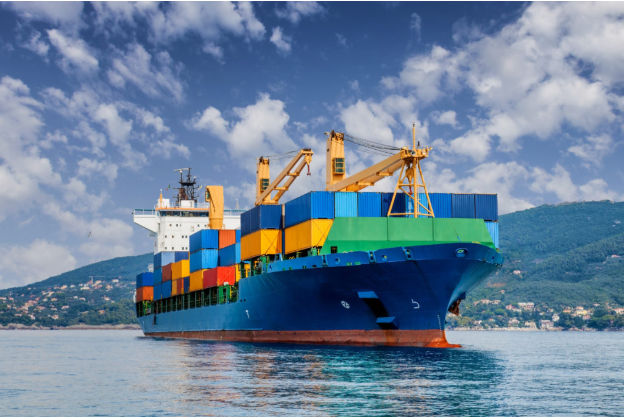
International trade connects manufacturers, suppliers, distributors and customers across continents. As businesses expand into new markets, they need transportation solutions capable of moving large quantities of goods without placing unnecessary pressure on operating budgets. From raw materials and industrial machinery to furniture, textiles and consumer products, maritime transport remains an important part of global supply chains.
For many businesses, ocean shipping offers a practical way to transport substantial cargo volumes over long distances. Although sea transportation generally takes longer than air freight, it can provide a cost-effective option for shipments that do not require urgent delivery. Understanding shipping methods, documentation, port operations and freight costs helps companies plan their logistics more effectively and make informed decisions about international trade.
Why Ocean Freight Remains Important
Sea transport supports global commerce by connecting production centres with markets around the world. Cargo vessels can carry large quantities of goods in containers or through specialised arrangements designed for particular cargo types. This capacity makes maritime transport suitable for many industries, including manufacturing, construction, retail and agriculture.
Businesses often choose sea freight when shipment volume, cargo dimensions or transportation costs make air freight less practical. Importers may use it to replenish inventory, while exporters can transport finished products to overseas distributors. Manufacturers also depend on maritime routes to move raw materials and components needed for production.
However, the suitability of sea freight depends on the shipment’s requirements. Businesses must consider the distance, expected transit time, cargo characteristics and delivery deadline before choosing a service. Planning ahead allows companies to balance transportation costs against inventory requirements and customer expectations.
Understanding Different Sea Freight Options
One of the most common choices in containerised shipping is between Full Container Load (FCL) and Less than Container Load (LCL). FCL generally means that a shipper books the use of an entire container for its cargo. It can be suitable for larger shipments where the available volume justifies using a dedicated container.
LCL allows cargo from multiple shippers to share container space. This can be useful for businesses whose shipments are too small to justify booking an entire container. The cargo is consolidated with other shipments and separated at the relevant destination facility, meaning additional handling and processing may affect the overall schedule.
Other arrangements may be needed for cargo that does not fit standard containers. Oversized machinery, temperature-sensitive products, vehicles and certain bulk commodities can require specialised equipment or handling. Businesses should provide accurate information about the cargo’s weight, dimensions, packaging and any special requirements before confirming a booking.
Planning International Shipments from Origin to Destination
A successful sea shipment involves more than reserving space aboard a vessel. The process typically includes cargo collection, export preparation, documentation, port handling, vessel transportation, import clearance and final delivery. Depending on the agreed service, different organisations may be responsible for individual stages of this journey.
Careful planning starts with identifying the shipment’s origin, destination, cargo type and required delivery window. Businesses should also determine whether transportation is needed only between ports or whether collection and final delivery must be arranged as well. Establishing these details early helps logistics providers recommend a suitable service and clarify the responsibilities of each party.
When arranging international cargo shipping, companies should also consider the time required for port operations and customs clearance. Vessel transit time alone does not represent the complete delivery period. Cargo may need to wait for loading, undergo inspections, be processed at the destination port or be transferred to another mode of transport before reaching the consignee.
Preparing the Required Shipping Documentation
Accurate documentation is essential for moving goods across international borders. Depending on the shipment and destination, common documents may include a commercial invoice, packing list, bill of lading and relevant customs declarations. Additional certificates, permits or supporting documents may be necessary for certain products or markets.
The commercial invoice provides information about the goods and their declared value, while the packing list describes the shipment’s contents and packaging. A bill of lading serves important functions in sea transportation, including recording receipt of cargo and documenting the terms of carriage. The exact documentation required depends on the transaction, applicable regulations and shipping arrangement.
Errors in product descriptions, quantities, values or consignee details can lead to delays and additional administrative work. Businesses should check that information is consistent across the relevant documents and confirm any destination-specific requirements before dispatch. Clear communication between the exporter, importer and logistics provider helps reduce avoidable complications.
Managing Freight Costs and Budget Expectations
Sea freight costs depend on several factors, including the shipment’s size, weight, route, container type, market conditions and required services. The ocean freight charge is only one part of the total expense. Origin handling, destination terminal charges, customs-related costs, inland transportation and other applicable fees may also contribute to the final amount.
Businesses should request quotations that clearly explain which services are included. A lower headline rate may not reflect the total cost if additional handling or delivery charges apply later. Comparing quotations on a like-for-like basis provides a clearer understanding of the financial commitment and helps prevent unexpected expenses.
Planning can also improve cost control. Providing accurate cargo measurements, selecting suitable packaging and booking with sufficient notice can help businesses evaluate their options more effectively. Where delivery deadlines permit, consolidating smaller consignments or choosing a flexible sailing schedule may also be worth considering.
Choosing a Suitable Logistics Partner
International sea freight involves coordination among shipping lines, port operators, customs authorities, freight forwarders, transport providers and receiving businesses. Each participant has a role in ensuring that cargo moves through the supply chain according to the agreed arrangements. Poor communication or unclear responsibilities can create delays even when the vessel schedule remains unchanged.
When assessing a logistics provider, businesses should consider its ability to coordinate the services they require, explain documentation responsibilities and communicate changes to shipment schedules. They should also ask about cargo handling, tracking arrangements, the scope of the quotation and the process for resolving shipment issues.
The right partner should provide clear information rather than making unrealistic delivery promises. Transit times can be affected by weather, port congestion, vessel schedule changes, inspections and other circumstances beyond an individual provider’s control. Understanding how these possibilities are managed helps businesses establish realistic expectations and prepare for potential disruptions.
Improving Visibility Across the Supply Chain
Shipment visibility helps companies monitor cargo movements and make better-informed operational decisions. Updates about booking confirmation, container loading, vessel departure, arrival and cargo release can support inventory planning and improve communication between suppliers and customers. However, the level of visibility available depends on the carrier and logistics service selected.
Businesses should distinguish between a vessel arriving at a port and cargo being available for collection. Import clearance, terminal processing and inland transportation may still need to be completed. Understanding these milestones helps teams plan warehouse capacity, production schedules and customer deliveries more accurately.
For companies managing frequent shipments, maintaining organised records can reveal recurring delays or unexpected costs. Reviewing this information allows businesses to identify areas for improvement, refine their booking practices and make more informed decisions about transportation routes and service arrangements.
Preparing for Common Shipping Challenges
Maritime shipments can be affected by port congestion, adverse weather, schedule changes, customs checks and fluctuations in freight rates. These challenges may influence delivery times and the overall cost of transportation. While businesses cannot eliminate every disruption, advance planning can reduce the impact on their operations.
Maintaining appropriate inventory buffers can help companies manage longer transit times, particularly for goods that are essential to production or sales. Businesses should also ensure that documentation is prepared correctly and that relevant parties can be contacted quickly when additional information is needed.
Cargo packaging and handling deserve equal attention. Goods must be packed according to their characteristics and the conditions they may encounter during loading, transport and unloading. Appropriate packaging instructions and clear cargo markings can help support safe handling throughout the journey.
Building More Efficient Global Trade Operations
Reliable maritime logistics depends on aligning transportation decisions with wider business priorities. Companies that understand their cargo requirements, plan documentation in advance and compare the complete cost of different services are better positioned to manage international shipments effectively. Regular communication also helps maintain realistic expectations throughout the transportation process.
For businesses exploring sea freight and related logistics support, AVR Logistics can be considered when evaluating suitable transportation arrangements. By confirming service requirements, reviewing quotations carefully and planning each stage from collection to final delivery, companies can make more informed shipping decisions and support stronger connections with international markets.
Leave a Reply